
Why Children Learn Better When They Are Allowed to Make Small Mistakes
Small mistakes help children build resilience, independence, and real understanding. Here is why Montessori makes room for them.
Every parent knows the instinct to step in.
A child is about to spill water, put a puzzle piece in the wrong place, button a sweater unevenly, or carry something in a way that looks a little risky. Our hands move before we think. We want to help. We want to prevent frustration. We want to make things easier.
But sometimes the small mistake is exactly where the learning begins.
At Imani Montessori, we do not celebrate children struggling unnecessarily. We guide, protect, and support them. But we also understand that children need room to experience manageable mistakes. Not big failures. Not unsafe situations. Small, useful mistakes that help them notice, adjust, and try again.
In the Infant Program, this may look like a child pouring water and spilling a little. Instead of rushing in with panic, the adult calmly shows the child how to wipe it up. The lesson is not, “You failed.” The lesson is, “Things happen, and you can help make them right.”
In the Toddler Program, a child may choose work that is slightly difficult. They may place objects in the wrong order or forget a step. The teacher observes. If the child is still engaged, we allow them time. That pause is important. It tells the child, “I trust you to think.”
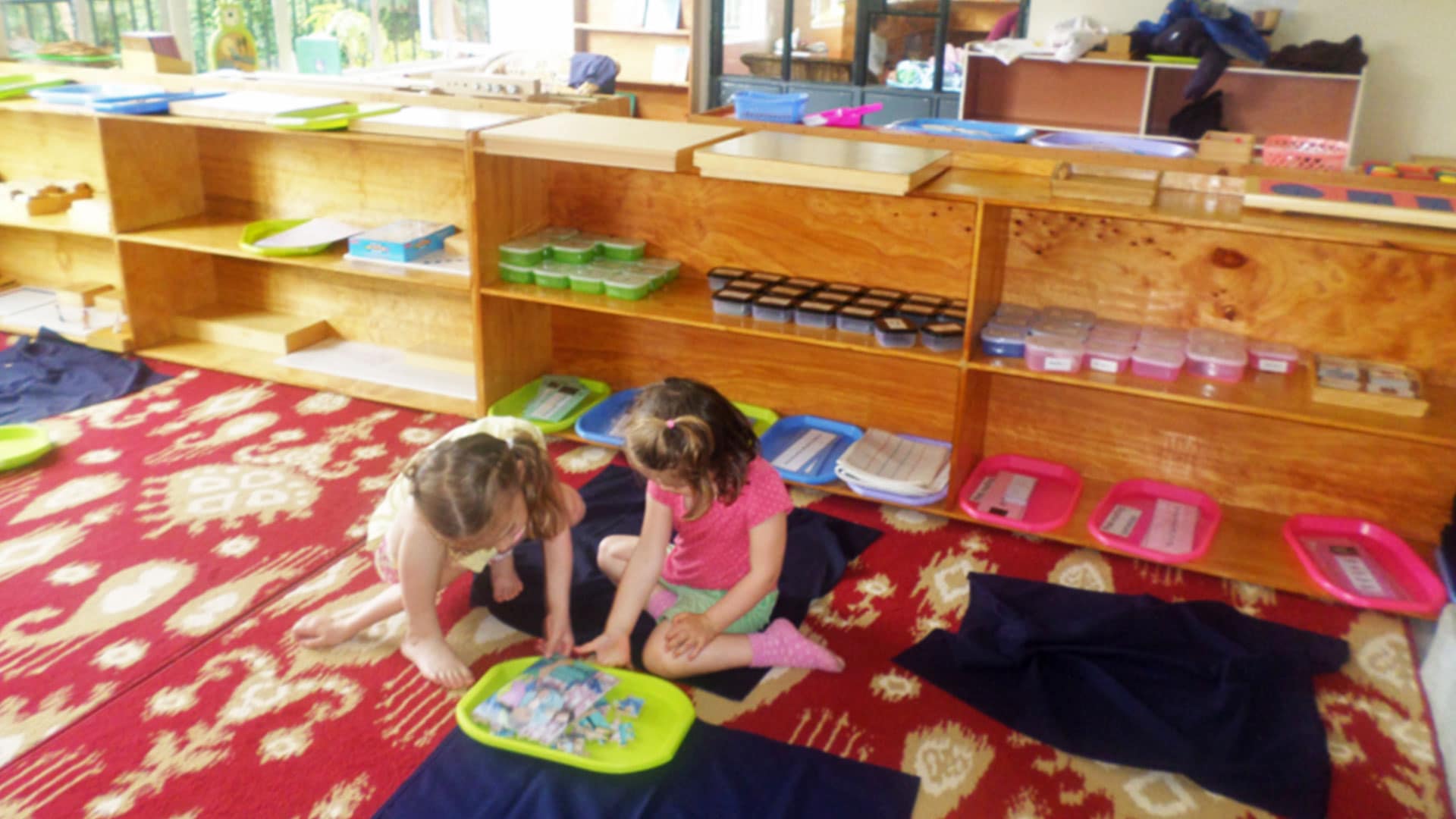
In the Pre-School Program, Montessori materials often help children see errors for themselves. A piece may not fit. A sequence may look incomplete. A quantity may not match. Because the material gives feedback, the child does not always need an adult to correct them. This builds independence and confidence.
In Cambridge Primary, mistakes become part of thinking. A child may solve a problem one way, realise it does not work, and try another. This is not wasted time. It is problem solving. It is resilience. It is the kind of learning that prepares children for real life, where answers are not always handed over neatly.
Many children become afraid of mistakes because they have learned that being wrong brings embarrassment. They hesitate. They avoid challenge. They wait for adults to confirm every move. Over time, they may become more concerned with appearing correct than actually understanding.
Montessori shifts that relationship. Mistakes are not treated as a dramatic event. They are information. They help the child see what needs to change. When a classroom handles mistakes calmly, children become braver learners.
This does not mean teachers are absent. In our classrooms, teachers are always observing. They know when to step in and when to wait. They know when a child is productively challenged and when they are becoming overwhelmed. The art is in the timing.
Parents sometimes ask, “Why not just show them the right way immediately?” Sometimes we do. But if we correct too quickly every time, we may accidentally take away the child’s opportunity to think. We also teach them to look outward before looking inward.
When children are allowed to correct small mistakes, they build several important skills. They develop attention because they learn to observe details. They develop independence because they learn not every problem needs rescuing. They develop emotional strength because they experience frustration and recovery. They develop confidence because they discover they can improve through effort.
These skills matter far beyond the classroom.
A child who has practised small mistakes can handle bigger challenges later with more steadiness. They are less likely to collapse when something is difficult. They are more likely to say, “Let me try again.”
At Imani, we want children to grow into that kind of learner. We want them to feel safe enough to experiment, thoughtful enough to notice errors, and confident enough to keep going.
If you visit during enrolment season, watch for how mistakes are handled. Notice whether adults rush, shame, or take over. Then notice what happens in a Montessori classroom when a child spills, adjusts, repeats, and continues. These moments may look small, but they are shaping the child’s character.
We invite you to come and see this gentle approach in action at Imani Montessori. Your child does not need a perfect classroom experience. They need a safe, warm place where they can learn, make small mistakes, and grow stronger because of them.
More notes for the parent journey.
Why Some Children Stop Asking Questions and How Montessori Keeps Curiosity Alive
Children are born curious, but some classrooms slowly quiet their questions. Montessori helps protect curiosity through time, trust, and discovery.
Read more
The Hidden Cost of Rushing Childhood and What Montessori Does Differently
It often starts with good intentions. A parent notices their child is not reading as early as others, not writing as neatly,…
Read more
Before You Choose a School, Ask This: Is Your Child Learning or Just Coping?
When choosing a school, most parents focus on visible indicators. Academic results. Facilities. Structure. Discipline. These are important, but they do not…
Read more