Cultivating Social Skills in a Montessori Setting
Social development is a key aspect of the Montessori method. Cultivating empathy, cooperation, and respect for others lays the foundation for future relationships.
Respect for Others
In Montessori environments, children learn to respect each other’s space and work. If a classmate is focusing on a puzzle, children are encouraged to observe quietly or engage in a different activity. Through these daily routines, children develop a sense of mutual respect and social etiquette.
Mixed-Age Classrooms
One of the unique features of Montessori education is the mixed-age classroom. Younger children look up to older peers for guidance, while older children reinforce their learning by helping younger ones. This naturally encourages empathy, patience, and community spirit.
Conflict Resolution
Disagreements are an inevitable part of social life. At Imani Montessori School in Nairobi, we treat these moments as teaching opportunities. Children are guided to express their feelings respectfully, listen to one another, and seek a fair resolution. For instance, if two children want the same drum during music time, we encourage them to take turns or find a different instrument while they wait.
Collaboration & Cooperation
Collaborative games and group tasks, like preparing snacks or watering garden plants, are a big part of the Montessori experience. By working together, children learn the value of teamwork, communication, and division of labor. These moments build social bonds and instill a sense of shared responsibility.
Embracing Diversity
Nairobi is home to diverse cultures and languages, making it a rich environment for developing cultural awareness. In Montessori settings, children might hear multiple languages spoken, taste foods from different regions, or learn about global traditions. Encouraging curiosity and respect for diversity broadens children’s worldviews and fosters social empathy.
Observing Group Dynamics
Just as individual observation is important, so too is observing how children interact in groups. If a child consistently avoids group play, gently introduce an activity that pairs them with a friendly peer. Gradually build their confidence in social settings without forcing participation.
The Role of the Adult
Adults model respectful interaction by greeting each child warmly, using polite language, and showing genuine interest in children’s thoughts. When children see these behaviors consistently, they learn to imitate them, strengthening their social skills and emotional intelligence.
By weaving respect, empathy, and cooperation into every part of the Montessori day, children develop the core social and emotional skills they’ll need for life. In a city as dynamic as Nairobi, these attributes help children build strong, supportive communities wherever they go.
More notes for the parent journey.
Why Children Learn Better When They Are Allowed to Make Small Mistakes
Small mistakes help children build resilience, independence, and real understanding. Here is why Montessori makes room for them.
Read more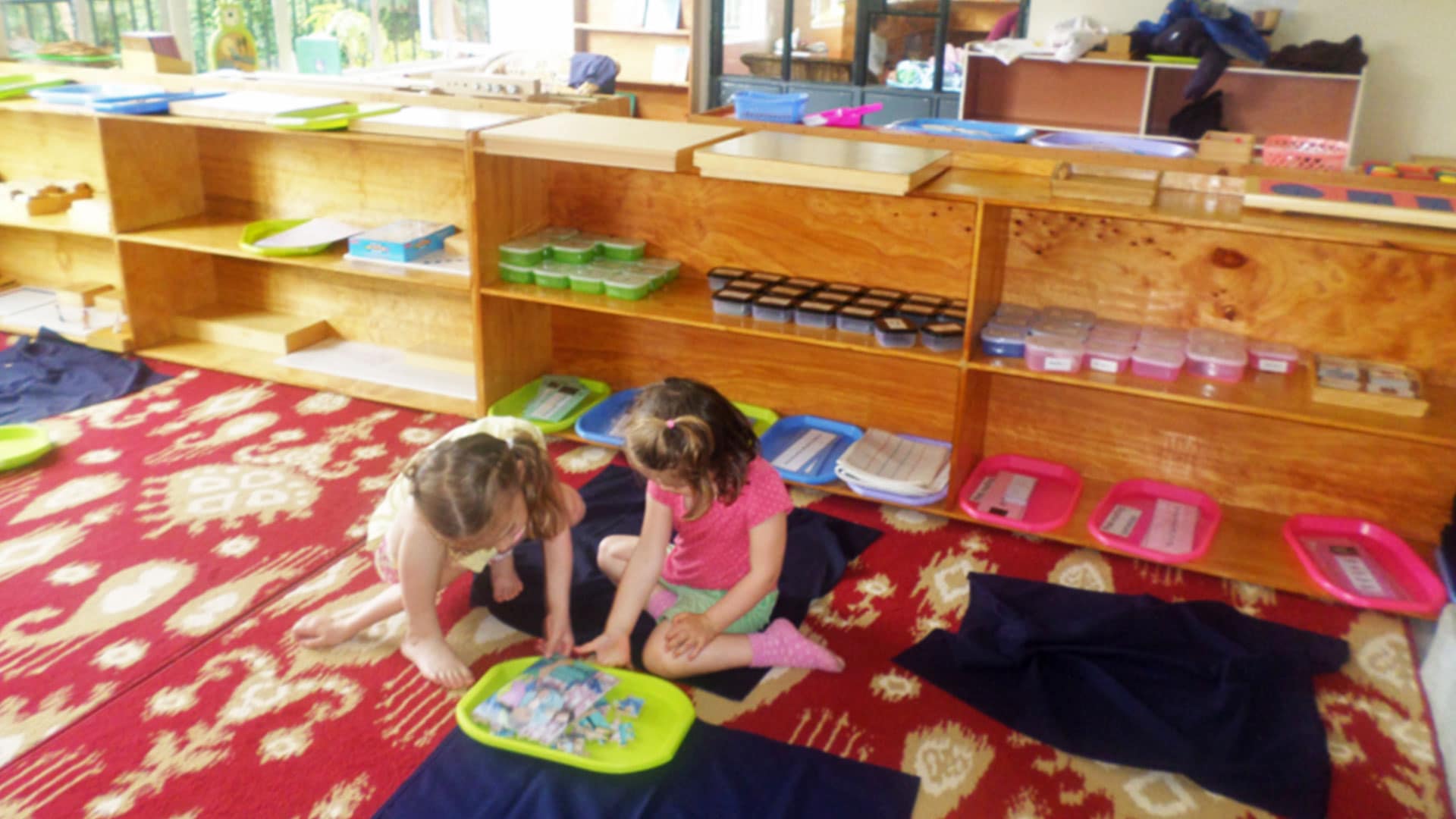
Why Some Children Stop Asking Questions and How Montessori Keeps Curiosity Alive
Children are born curious, but some classrooms slowly quiet their questions. Montessori helps protect curiosity through time, trust, and discovery.
Read more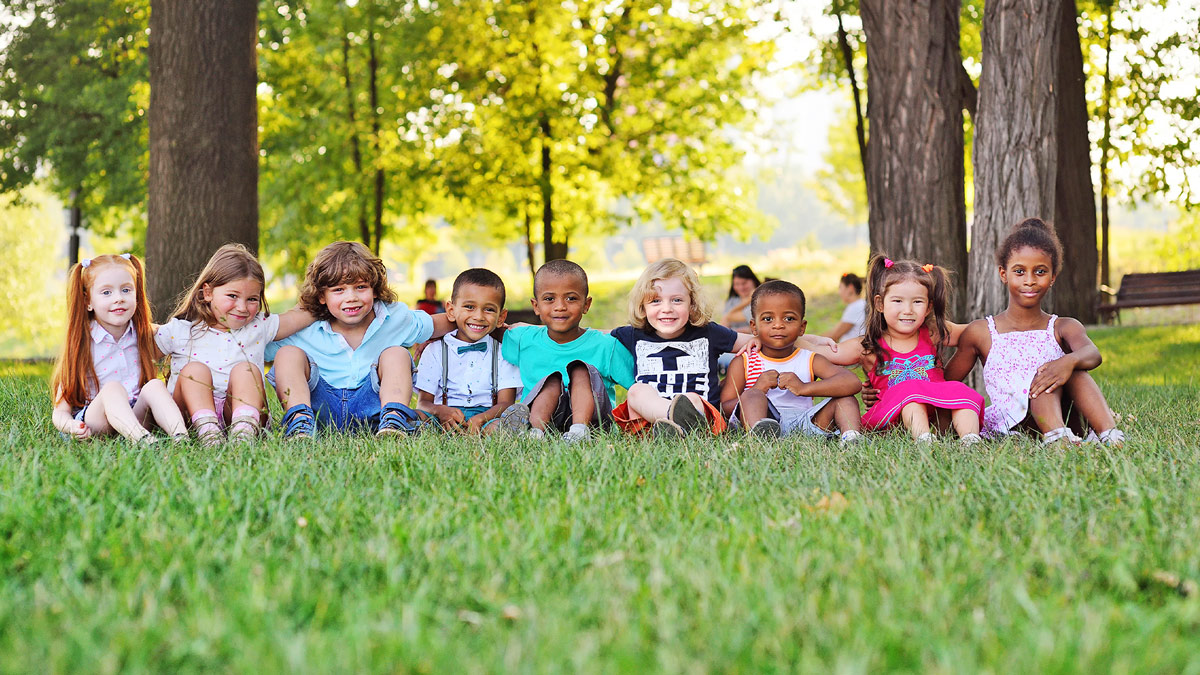
The Hidden Cost of Rushing Childhood and What Montessori Does Differently
It often starts with good intentions. A parent notices their child is not reading as early as others, not writing as neatly,…
Read more