Before You Choose a School, Ask This: Is Your Child Learning or Just Coping?
When choosing a school, most parents focus on visible indicators. Academic results. Facilities. Structure. Discipline. These are important, but they do not always tell the full story.
A quieter, more important question often goes unasked: Is my child actually learning, or are they simply coping with the system?
Coping can look like success from the outside. A child completes assignments, follows instructions, and meets expectations. But underneath, something may be missing. They may feel pressure to keep up, hesitate to ask questions, or rely heavily on guidance instead of thinking independently.
Learning, on the other hand, looks different. It is not always loud or fast. It shows up as curiosity, confidence, and a willingness to engage deeply. A child who is learning is not just completing tasks. They are understanding, exploring, and making meaning for themselves.
The difference between coping and learning often comes down to the environment.
In many traditional settings, the structure is fixed. The pace is set. The method is uniform. Children are expected to adapt. For some, this works well enough. They align with expectations and move forward. For others, the adjustment comes at a cost.
They may begin to second guess themselves. They may focus more on getting things right than understanding. They may withdraw, rush through work, or lose interest altogether. These are often signs of coping rather than genuine engagement.
Montessori education approaches this differently. It starts with the belief that children learn best when they are active participants in the process. Instead of asking children to adapt to a rigid system, the environment is designed to support their natural development.
Children are given the freedom to choose work within a structured setting. This choice is not random. It is guided by careful observation and preparation. Activities are matched to each child’s level of readiness, allowing them to engage without feeling overwhelmed or held back.
This changes how children experience learning. They are not simply completing tasks assigned to them. They are selecting work that makes sense to them, working through it at their own pace, and returning to it as needed.
Another key difference is time. In many classrooms, learning is broken into short segments. Children move quickly from one task to another. This can make it difficult to build focus or explore ideas deeply.
Montessori environments allow for longer periods of uninterrupted work. Children can settle into an activity, repeat it, and refine their understanding. This supports concentration, which is essential for real learning.
Mistakes also play a different role. In systems where correctness is emphasised, children may become cautious. They avoid risks and look for approval before moving forward. This can limit curiosity.
In Montessori settings, mistakes are part of the process. Materials are designed to help children identify and correct errors independently. This builds confidence and encourages persistence. Children learn that they can figure things out, even when something does not work the first time.
Social dynamics matter as well. When comparison is constant, children become aware of where they stand relative to others. Some feel ahead. Others feel behind. This can shape behaviour in subtle ways.
Montessori reduces this comparison by focusing on individual progress. Children are not ranked against one another. They grow at their own pace, supported by an environment that values effort and understanding.
When children are not preoccupied with comparison, they are freer to engage. They ask questions. They explore. They develop a stronger sense of self.
Over time, the difference between coping and learning becomes clearer. Children who are truly learning show signs of independence. They take initiative. They persist through challenges. They engage with confidence rather than hesitation.
Children who are coping may appear to be doing well, but often rely on external structure to move forward. Their engagement may be more fragile, tied closely to guidance and reassurance.
At Imani Montessori, we focus on creating conditions where learning can happen naturally. Our classrooms are prepared to support each child’s pace and interests. Our educators observe closely and guide thoughtfully, allowing children to build confidence through experience.
If you are in the process of choosing a school, it may be worth looking beyond surface indicators. Spend time observing how children interact with their environment. Notice whether they seem engaged or simply compliant.
We invite you to visit Imani Montessori and see this difference for yourself. When children are not just coping, but truly learning, it shows in how they move, how they focus, and how they approach the world around them.
More notes for the parent journey.
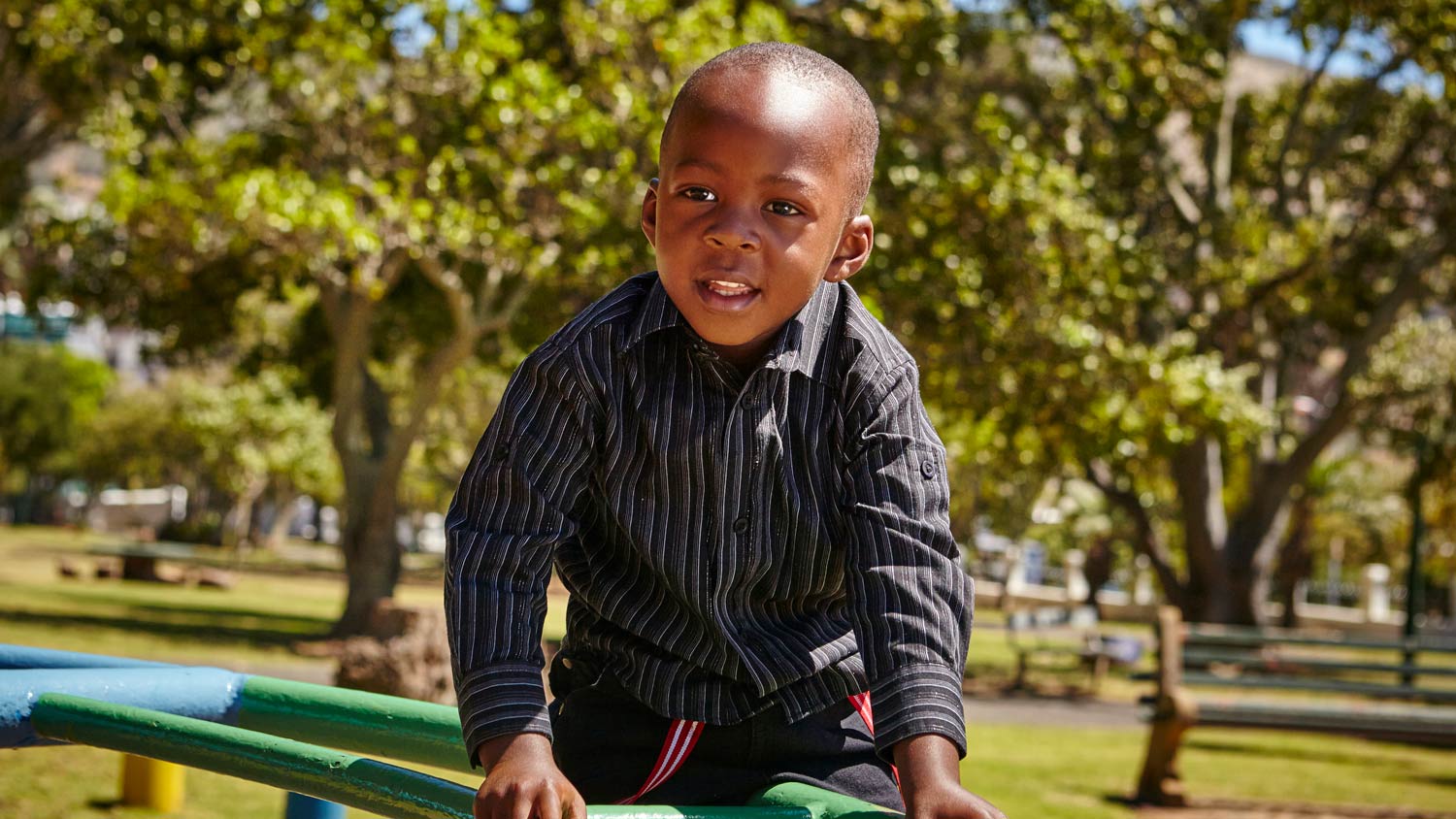
Why Children Learn Better When They Are Allowed to Make Small Mistakes
Small mistakes help children build resilience, independence, and real understanding. Here is why Montessori makes room for them.
Read more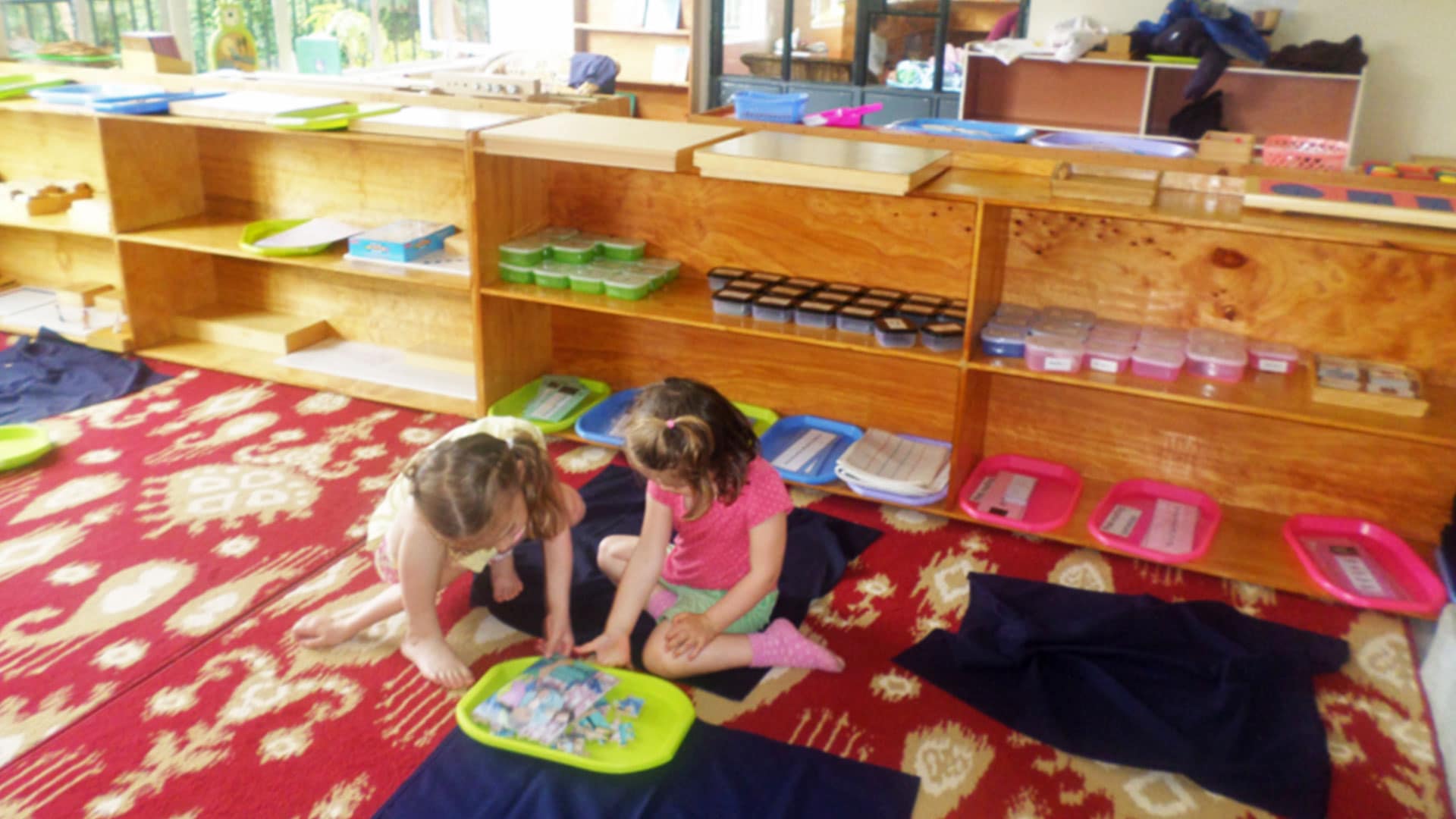
Why Some Children Stop Asking Questions and How Montessori Keeps Curiosity Alive
Children are born curious, but some classrooms slowly quiet their questions. Montessori helps protect curiosity through time, trust, and discovery.
Read more
The Hidden Cost of Rushing Childhood and What Montessori Does Differently
It often starts with good intentions. A parent notices their child is not reading as early as others, not writing as neatly,…
Read more